Reframing the Future of Learning: Insights from the Cambridge Schools Conference Bali 2025
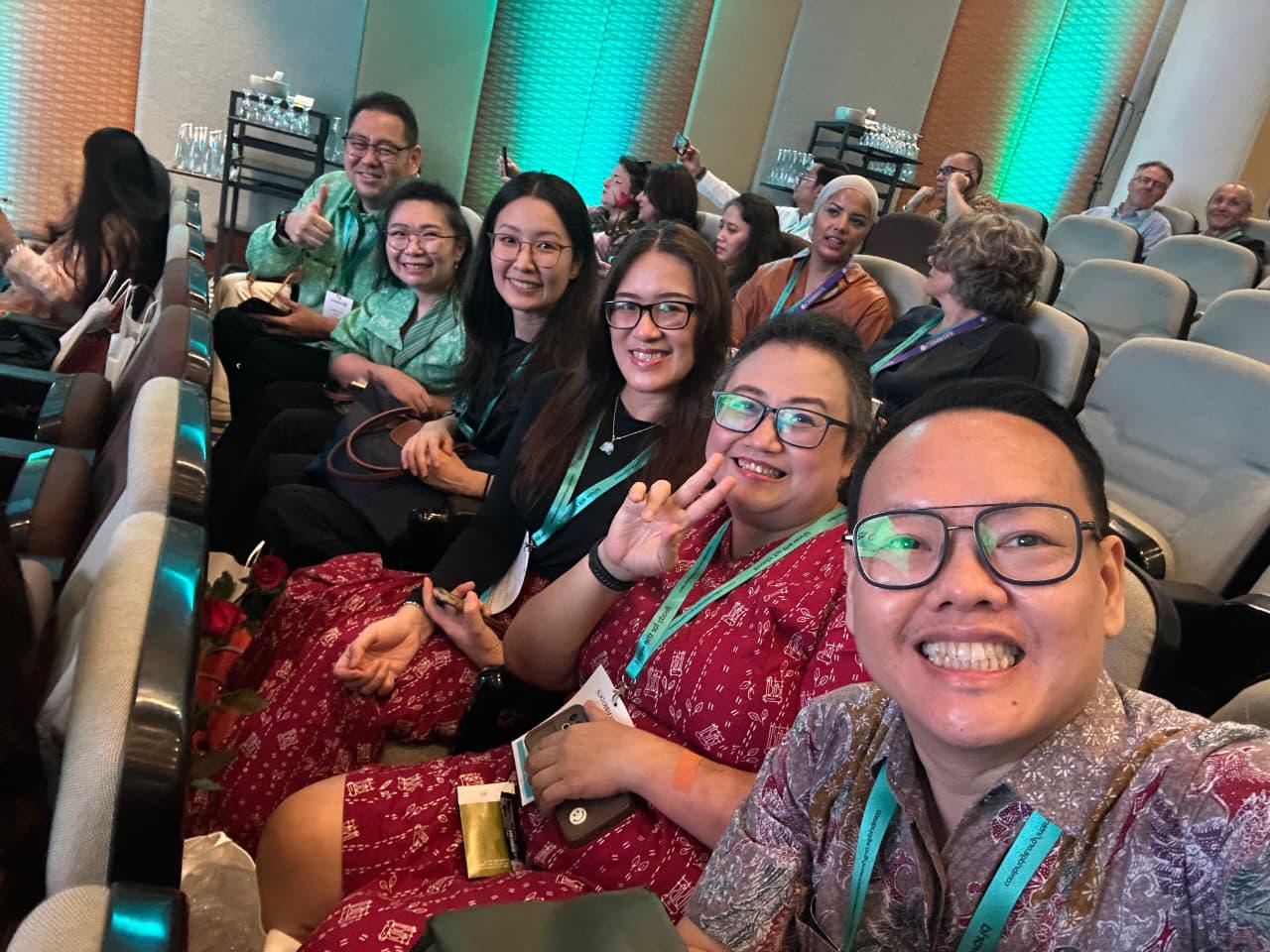
Bali, Indonesia, 7–9 December 2025
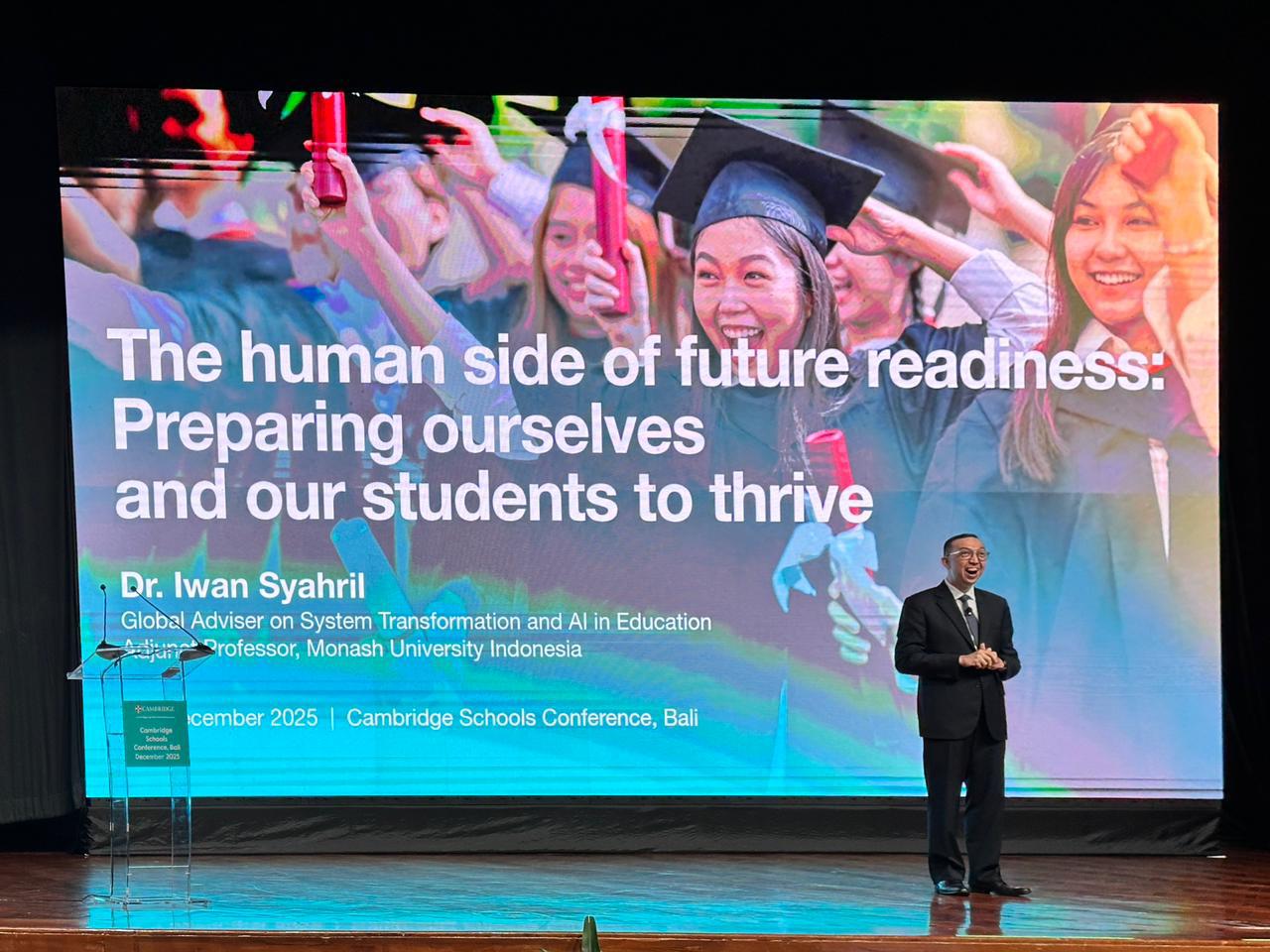
The Cambridge Schools Conference, held in Bali from 7–9 December 2025, delivered a message that was both urgent and clarifying: preparing learners for the future is no longer about adding more content, but about strengthening the human capabilities that enable learning to endure. The conference challenged long-standing assumptions about what it truly means to be “future-ready” in an era shaped by rapid change and artificial intelligence.
While literacy and numeracy remain essential foundations, the conference emphasized that they are no longer sufficient on their own. Educators were encouraged to rethink learning through a broader lens—one that prioritizes communication, self-regulation, and cognitive flexibility as essential outcomes of schooling.
A major highlight of the conference was the renewed focus on oracy—the ability to express ideas clearly, listen actively, reason verbally, and engage in purposeful dialogue. Research shared during the sessions revealed that many learners are confident consumers of information, yet far fewer are confident communicators of ideas. In classrooms where structured opportunities to speak, debate, and justify reasoning are limited, learners often struggle to articulate understanding or collaborate meaningfully. In a future shaped by AI, oracy emerged not as a “soft skill,” but as a core learning competency.
Equally prominent was the discussion around self-management, often described as the invisible skill that shapes all learning. Conference data highlighted a familiar gap: while both teachers and students acknowledge the importance of self-management, it is rarely taught explicitly. Skills such as time management, emotional regulation, sustained focus, and perseverance do not develop automatically. Instead, they must be intentionally designed into daily classroom practice through routines, reflection, goal-setting, and guided decision-making.
The concept of executive functions provided a powerful framework for understanding how learning happens. These brain-based skills—including working memory, inhibitory control, and cognitive flexibility—were presented as strong predictors of academic success, wellbeing, and long-term life outcomes. Importantly, research emphasized that executive functions are teachable and developable when classrooms create space for problem-solving, discussion, reflection, and productive struggle.
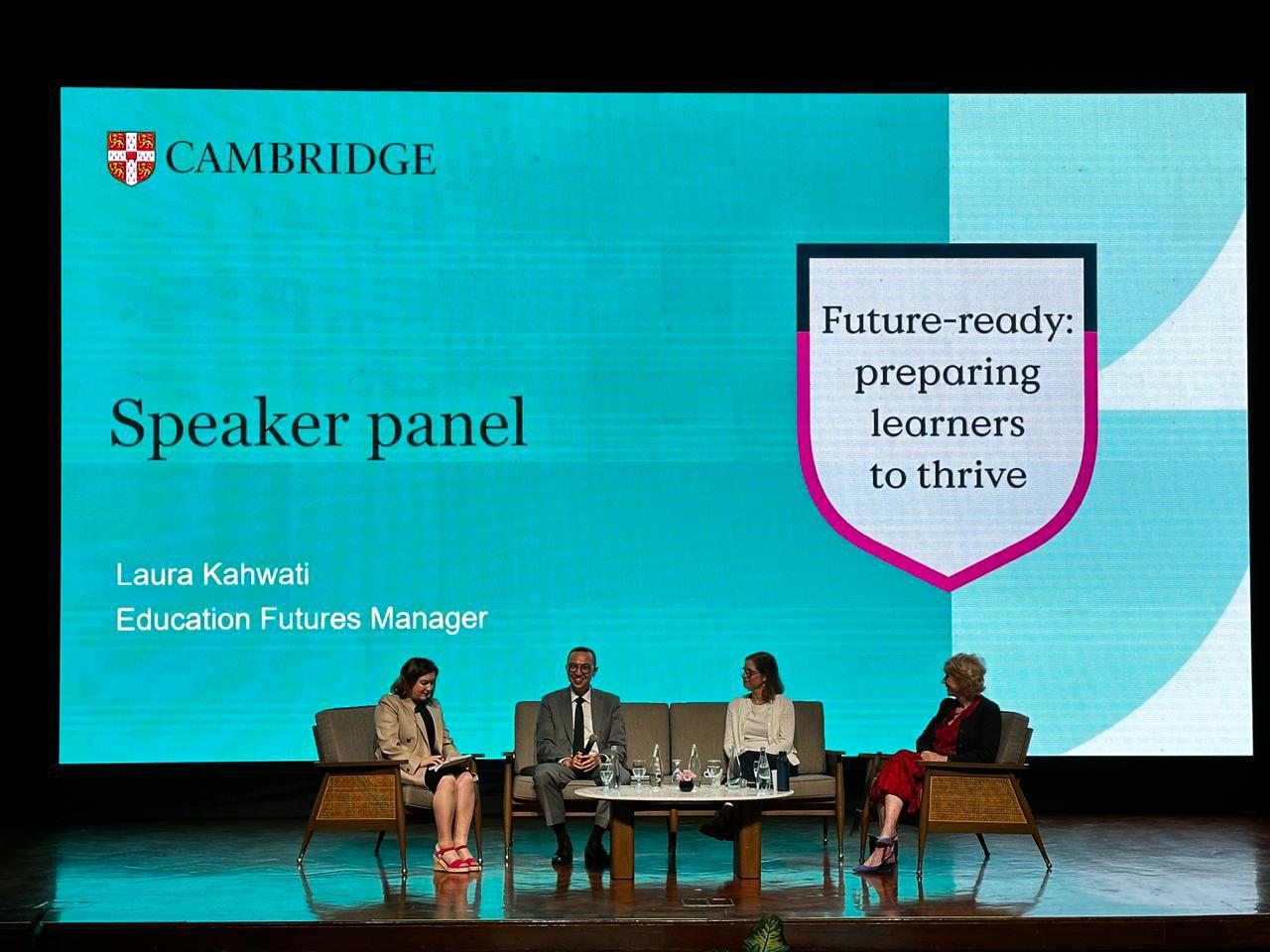
Several sessions also raised critical questions about the role of artificial intelligence in education. Speakers cautioned against the risk of over-assistance, where technology replaces thinking rather than supports it. Without strong metacognitive awareness, learners may access answers quickly but retain little understanding. The prevailing message was clear: technology can amplify good pedagogy, but it cannot substitute it. Future-ready classrooms position AI as a coach that deepens thinking—not a shortcut that bypasses effort.
Across the conference, a shared vision of a future-ready classroom emerged—one defined not by devices or displays, but by learning culture. In such classrooms, learners talk more than teachers and do so with purpose; mistakes are examined rather than avoided; thinking is made visible through explanation and reflection; executive functions are practiced daily; knowledge is questioned, applied, and transferred; and technology supports thinking rather than shortcuts it. At their core, future-ready classrooms are human-centred by design.
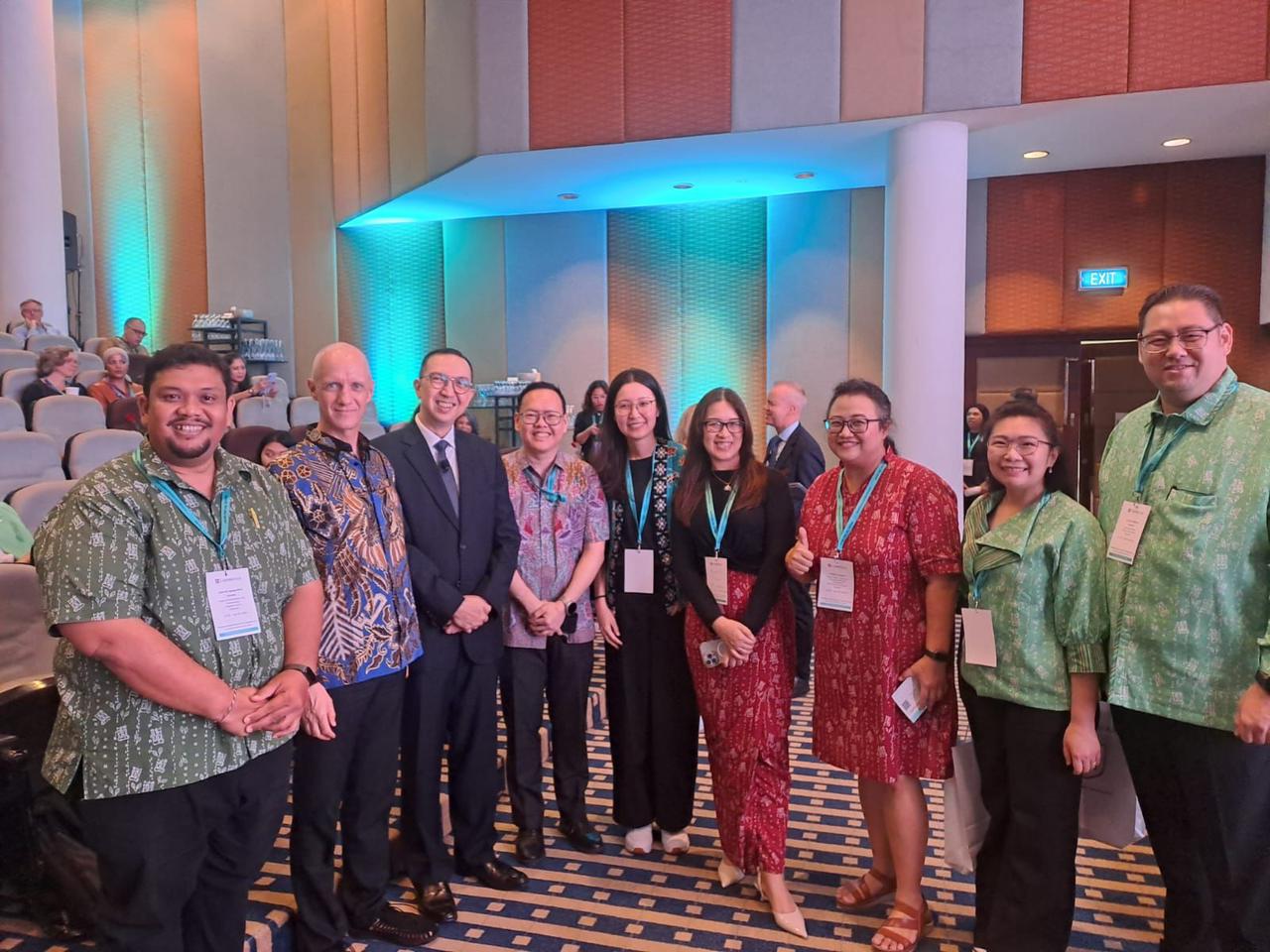
SPK Indonesia was represented at the conference by Rutdiana and Anto, who participated in the sessions and professional exchanges throughout the three-day event. Their participation reflects SPK Indonesia’s ongoing commitment to engaging with global educational thinking and bringing evidence-informed practices back to the SPK community.
Perhaps the most reassuring insight from the Cambridge Schools Conference was this: great schools and great teachers matter more than ever. In a world of uncertainty, the role of education is not to predict the future perfectly, but to equip learners with the cognitive, social, and emotional tools needed to navigate change with confidence and agency. If literacy and numeracy form the foundations, then oracy, self-management, executive functions, and metacognition are the pillars that enable learners to stand tall.
Preparing learners to truly thrive is no longer optional—it is the work of our time.
Related Posts:
Future-Proofing Schools Through Strategic Leadership in the Age of AI
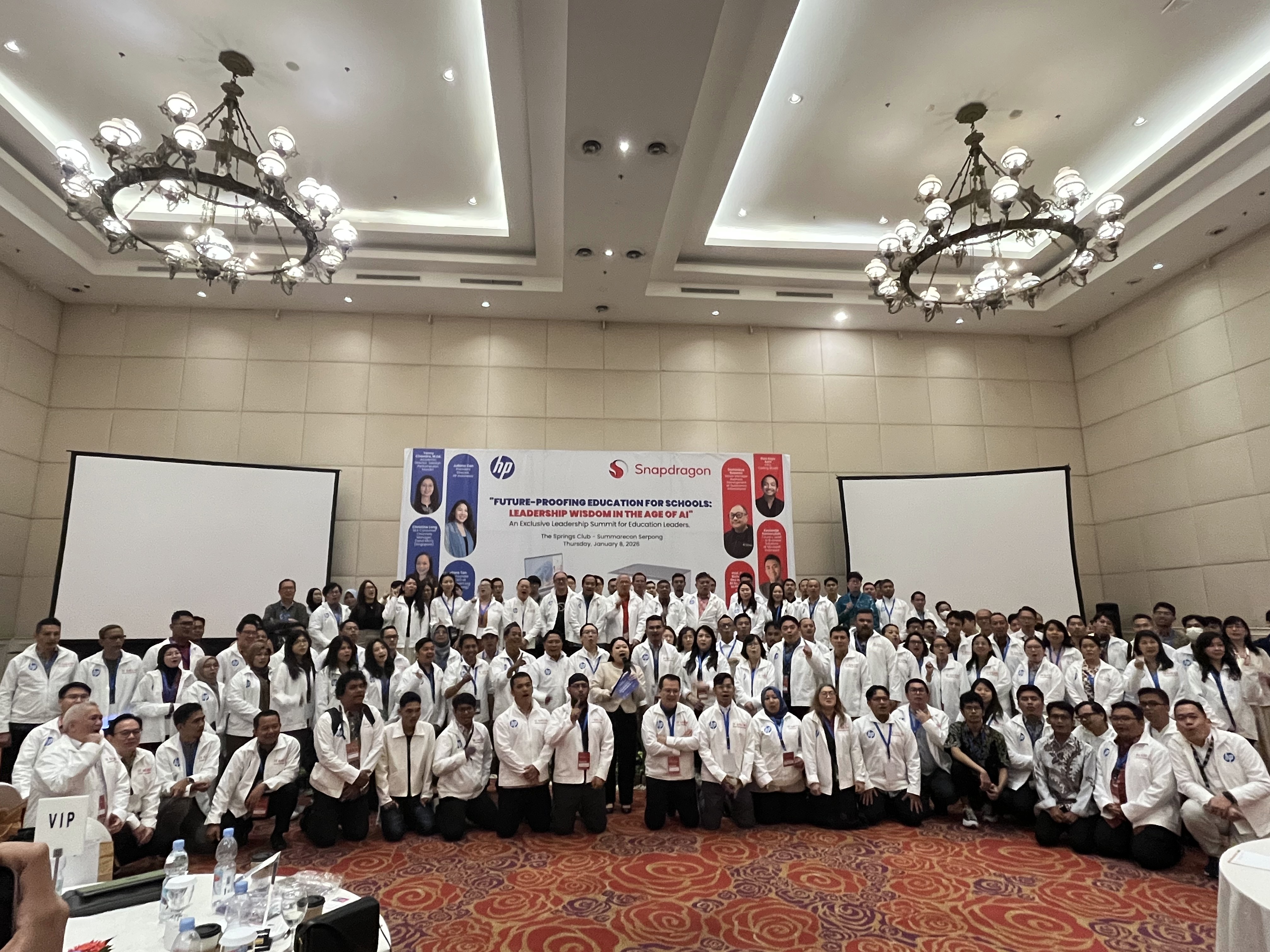
Summarecon Serpong, Indonesia — 8 January 2026 Leaders in education gathered at the Future-Proofing Education for School: Leadership Wisdom in the Age of AI Summit, ...
SPK Indonesia and ICA Strengthen Strategic Collaboration through ICA Virtual Session 2025
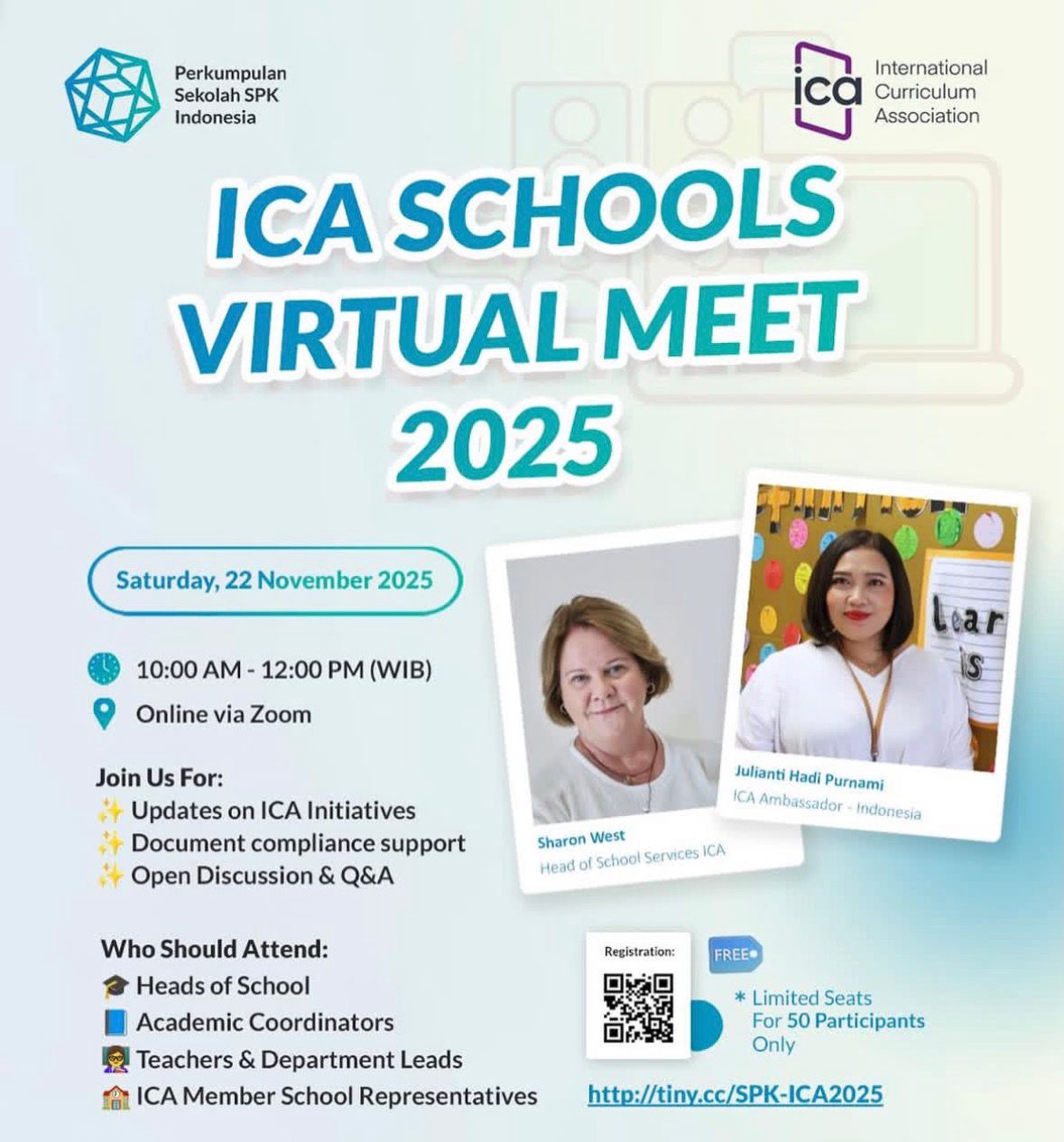
Virtual Session, 22 November 2025 A landmark strategic meeting and virtual engagement between the International Curriculum Association (ICA) and SPK Indonesia (The Asso...
SPK Indonesia Participates in ICA Conference Bali 2025 to Strengthen International Education Collaboration
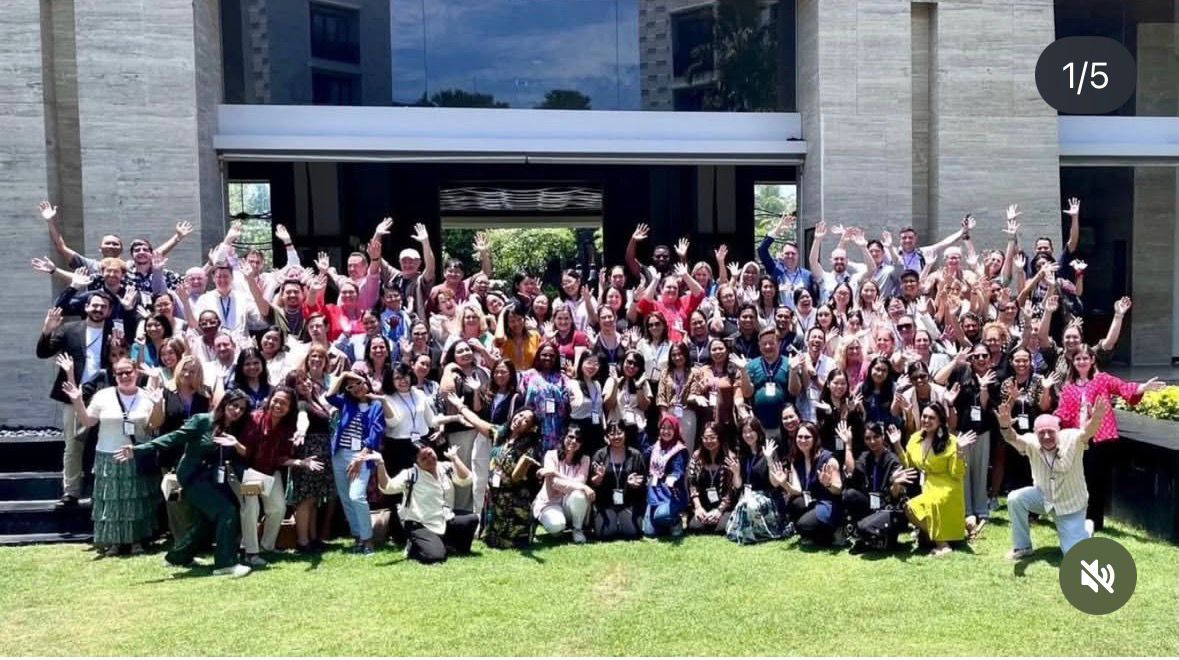
Bali, Indonesia, 16–18 October 2025 SPK Indonesia participated in the International Curriculum Conference (ICC) 2025, held in Bali from 16–18 October 2025. The conf...